

Current Traffic Patterns in Montreal: Analyzing Today’s Congestion Levels
Understanding Peak Hours and Their Impact on Commuters
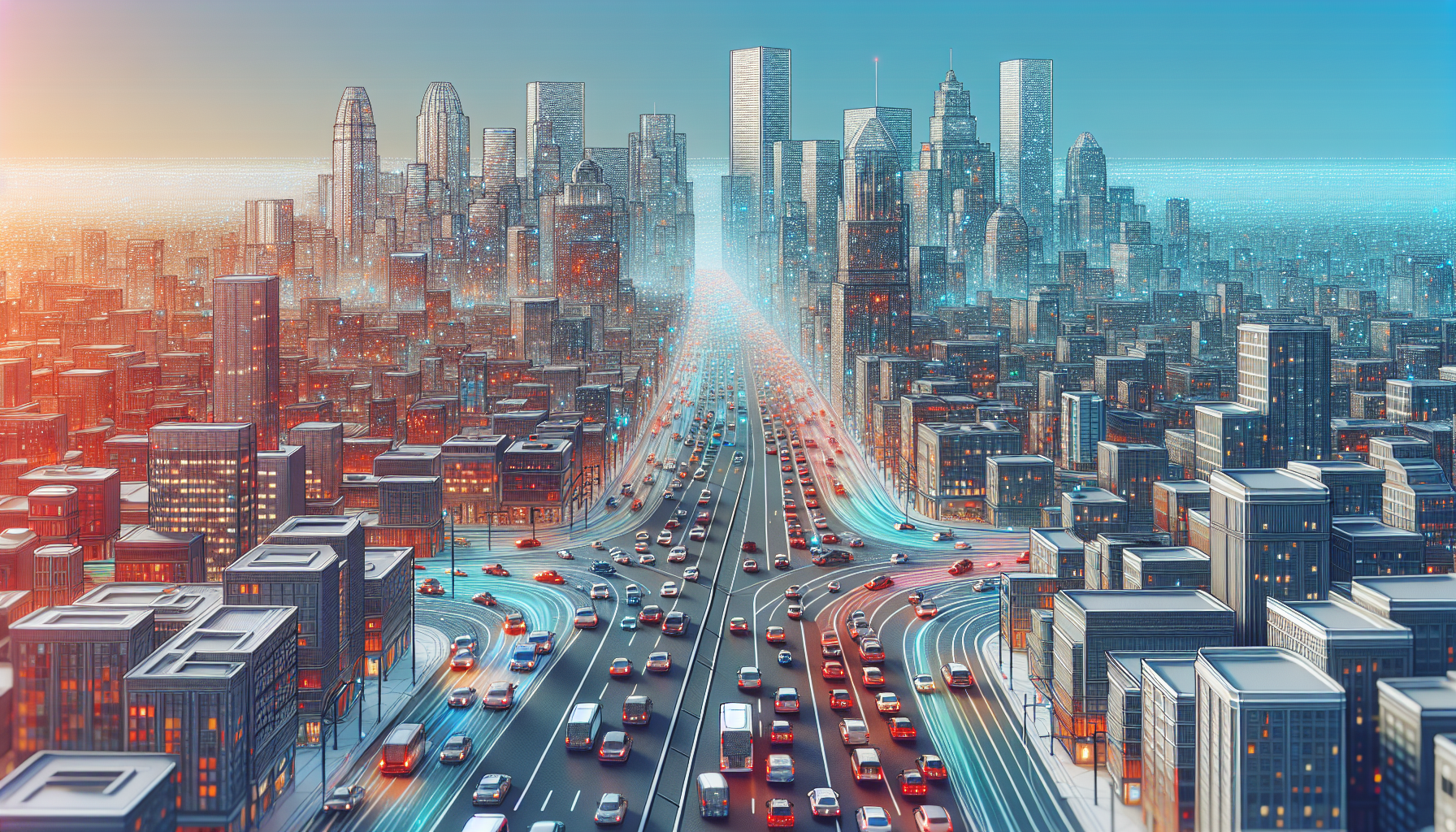
Montreal’s traffic patterns shift dramatically throughout the day, with peak hours presenting unique challenges for commuters. Typically, these congested windows occur from 7:30 to 9:30 AM and 4:30 to 6:30 PM, aligning with standard work schedules. During these times, major arteries like Boulevard de Maisonneuve and the Décarie Expressway often experience significant slowdowns, as evidenced by a 30% increase in vehicle volume. The city’s reliance on personal vehicles during these hours not only strains transportation infrastructure but also heightens air pollution levels, posing health risks to residents.
Beyond immediate frustrations, the impact of peak commuting hours extends into broader urban planning considerations. As more people rely on cars, the need for scalable public transport solutions becomes critical. For example, the extension of the Métro’s Blue Line is aimed at alleviating congestion by providing an alternative for those traveling to and from the bustling downtown area. Implementing flexible work hours could also mitigate rush hour traffic, as companies increasingly recognize the benefits of remote and hybrid work models that offer employees more control over their schedules.
Looking ahead, addressing peak hour challenges could significantly influence Montreal’s urban mobility landscape. Innovative strategies, such as implementing congestion pricing or enhancing dedicated bus lanes, could encourage a shift away from single-occupancy vehicles. As studies suggest that such measures could reduce rush hour traffic by up to 20%, there’s a window of opportunity for the city to transform its approach to mobility. This could lead to a more sustainable, efficient transportation system that enhances the overall quality of life in Montreal.
Innovations in Urban Mobility: What’s Next for Montreal?
Montreal’s urban landscape is on the brink of transformation, driven by innovative mobility solutions that aim to reduce car dependency and enhance public transportation. One promising development is the expansion of the city’s electric bike-sharing program, BIXI. Recent data shows that in 2022, ridership increased by over 30%, demonstrating a growing acceptance and demand for sustainable transportation options. This shift not only alleviates traffic congestion but also promotes healthier lifestyles among residents, contributing to the city’s long-term sustainability goals.
In addition to bike-sharing, Montreal is embracing smart mobility technologies, such as mobile applications that integrate various transportation modes for seamless trip planning. Platforms like Transit and Chrono now provide real-time updates on bus and metro schedules, allowing users to make informed decisions. The city is also piloting autonomous shuttle services in designated areas, which could eventually redefine last-mile connectivity and reduce reliance on private vehicles. These technological innovations not only enhance convenience but also position Montreal as a leader in modern urban mobility.
Moreover, investments in public transit infrastructure are crucial for shaping the future of mobility in Montreal. The completion of projects like the REM (Réseau Express Métropolitain) promises to significantly improve connectivity across the Greater Montreal area. With an estimated 600,000 daily trips expected once operational, this network will provide a substantial alternative to car travel, helping to ease traffic congestion and lower emissions. As these initiatives take root, Montreal is on a path to create a more accessible, efficient, and environmentally friendly urban environment, setting a benchmark for other cities to follow.
Exploring the Role of Smart Traffic Systems in Reducing Congestion
Montreal’s urban landscape faces a multifaceted challenge: an ever-increasing volume of car traffic that leads to gridlocks and prolonged travel times. Smart traffic systems offer a promising solution by integrating technology that enhances traffic flow and reduces congestion. For instance, the city is implementing adaptive traffic signals that adjust their timing based on real-time traffic conditions. These systems analyze vehicle density and adjust signal patterns accordingly, ensuring smoother transitions and minimizing wait times. As a result, neighborhoods like Plateau-Mont-Royal are experiencing less congestion during peak hours, which not only improves the commuting experience but also contributes to reduced emissions.
Moreover, the incorporation of connected vehicle technology is revolutionizing how Montrealers navigate the city. Smart apps that provide live data on traffic conditions, transit schedules, and alternative routes empower drivers to make informed decisions. For example, the “MTL Trafic” app offers users real-time alerts on congested areas and suggests less-traveled routes. This proactive approach helps distribute traffic more evenly throughout the city, alleviating pressure on busy corridors like St. Catherine Street and allowing for more efficient use of existing road infrastructure.
Lastly, the potential of smart traffic systems extends beyond immediate congestion relief; it plays a crucial role in shaping Montreal’s long-term urban mobility strategy. By facilitating a shift towards more sustainable transportation options, such as cycling and public transit, these systems can contribute to a cultural transformation. As Montreal integrates smart traffic measures, it sets a precedent for other cities aiming to tackle similar urban mobility challenges. This forward-thinking approach not only enhances the quality of life for residents but also positions Montreal as a leader in innovative urban planning practices.
Public Transit vs. Car Culture: Shaping the City’s Future
Montreal’s urban landscape is increasingly defined by the ongoing battle between car culture and public transit. With a population that exceeded 1.7 million in 2020, the city’s reliance on automobiles has resulted in chronic congestion, particularly in central areas. Statistics from the city’s transportation department reveal that over 50% of commuters still opt for personal vehicles. However, initiatives like the extension of the Metro system and the implementation of dedicated bus lanes aim to reshape this pattern, offering faster and more reliable alternatives. By investing in these projects, Montreal is sending a clear message: prioritizing public transit can alleviate traffic woes while promoting sustainable urban growth.
The cultural shift toward public transportation is palpable among younger generations who increasingly advocate for eco-friendly travel options. Reports indicate that millennials and Gen Z are less inclined to own cars compared to their predecessors, viewing public transit as a more viable and environmentally responsible choice. For instance, the popularity of the BIXI bike-sharing program has surged, reflecting a desire for flexible, active modes of transit. This trend not only eases traffic congestion but also fosters a healthier urban environment, encouraging walkability and reducing carbon emissions.
As Montreal forges ahead, the synergy of public transit and active transportation will play a pivotal role in the city’s future mobility landscape. The recent launch of the Réseau Express Métropolitain (REM) project, a new light rail system, exemplifies a bold step toward transforming the public transit experience. By enhancing connectivity and accessibility, such developments promise to make the city more navigable, promoting a shift away from car dependency. As urban planners and policymakers embrace innovative solutions, the vision of a vibrant, transit-oriented Montreal is more attainable than ever, poised to meet the needs of its residents while addressing environmental concerns.
Examining the Efforts to Promote Alternative Transportation Methods
Montreal has become a vibrant testing ground for alternative transportation methods as city planners grapple with the ever-increasing car traffic that clogs its streets. The city’s commitment to expanding its network of bike lanes stands out as a primary initiative. In 2022, over 200 kilometers of dedicated bike paths were established, significantly enhancing accessibility for cyclists. This investment not only promotes healthier commuting options but also aims to reduce vehicular congestion, as the city has set an ambitious goal of achieving 15% of all trips by bicycle by 2030. The addition of protected bike lanes has transformed neighborhoods, fostering a culture where cycling isn’t just a choice but a primary mode of transportation.
Public transit has also seen significant enhancements, further encouraging residents to shift from car dependency. The introduction of the Réseau express métropolitain (REM), a light rail system scheduled for completion in 2024, is a game-changer for urban mobility. This project is anticipated to reduce travel times significantly for thousands of commuters, thereby alleviating some pressure from the roadways. Furthermore, with the recent integration of electric buses into the STM fleet, Montreal is addressing both environmental concerns and the need for efficient public transit solutions that can easily accommodate the city’s growing population.
Community initiatives play a crucial role in promoting these alternative transportation methods. Local organizations have launched campaigns aimed at raising awareness about the benefits of walking, cycling, and using public transport. Events like the “Car-Free Day” not only celebrate alternative modes of transport but also highlight the potential for a future where car traffic is minimized. Such grassroots movements engender a collective mindset shift towards sustainable urban mobility. By cultivating an environment that values diverse transportation options, Montreal is setting the stage for a more connected and less congested urban experience.
Frequently Asked Questions
Q1: What is Blog, Montreal, News, Today, Car Traffic, Mobility?
A: Blog, Montreal, News, Today, Car Traffic, Mobility refers to how montreal’s car traffic today shapes the future of urban mobility. It encompasses various aspects including key features, benefits, and best practices in this area.
Q2: How does Blog, Montreal, News, Today, Car Traffic, Mobility work?
A: Blog, Montreal, News, Today, Car Traffic, Mobility works by combining multiple elements and strategies. The process involves understanding the fundamentals, implementing best practices, and continuously optimizing for better results.
Q3: What are the benefits of Blog, Montreal, News, Today, Car Traffic, Mobility?
A: The main benefits include improved efficiency, better outcomes, cost savings, and enhanced user experience. Many professionals and businesses have seen significant improvements by focusing on Blog, Montreal, News, Today, Car Traffic, Mobility.
Q4: Is Blog, Montreal, News, Today, Car Traffic, Mobility suitable for beginners?
A: Yes, Blog, Montreal, News, Today, Car Traffic, Mobility can be approached by beginners with the right guidance and resources. Start with the basics, follow best practices, and gradually build your knowledge and skills.
Q5: Where can I learn more about Blog, Montreal, News, Today, Car Traffic, Mobility?
A: There are many resources available including online courses, guides, community forums, and expert consultations. This article provides a comprehensive overview to get you started.
Montreal Location & Service Area
Find us in Montreal! Our services related to Blog, Montreal, News, Today, Car Traffic, Mobility are available throughout the area. Whether you’re looking for local information or broader regional coverage, we provide comprehensive support across Montreal and surrounding areas.
Coverage Areas
- Montreal downtown and city center
- Montreal neighborhoods and suburbs
- Greater metropolitan area coverage
- Regional service throughout Quebec
Contact us for specific location availability and service details in your area.