

Montreal Blog Today: Navigating Car Traffic and Mobility Challenges
Understanding Montreal’s Traffic Landscape: A Snapshot of Current Conditions
Key Statistics on Daily Commuters and Peak Traffic Hours
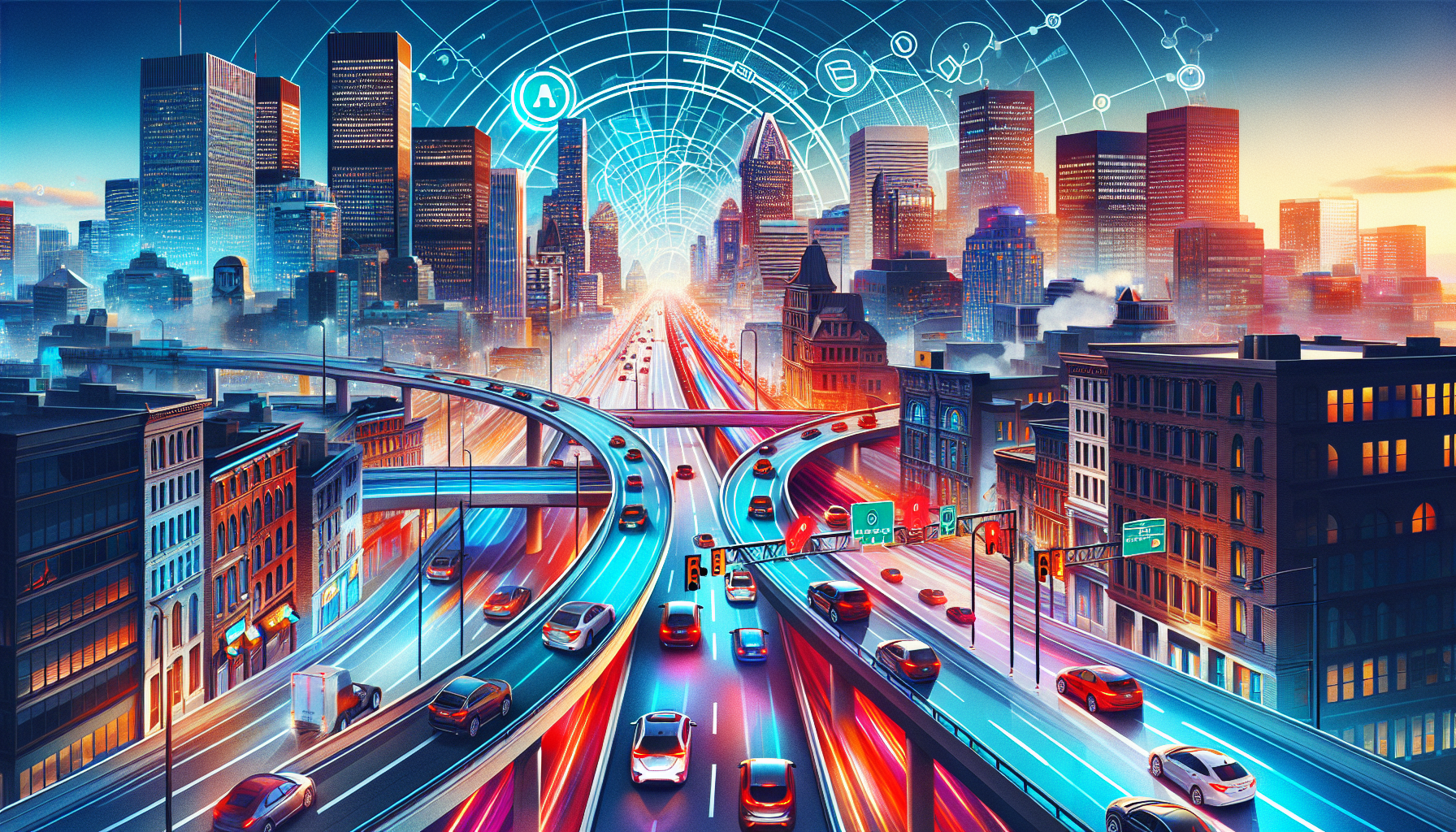
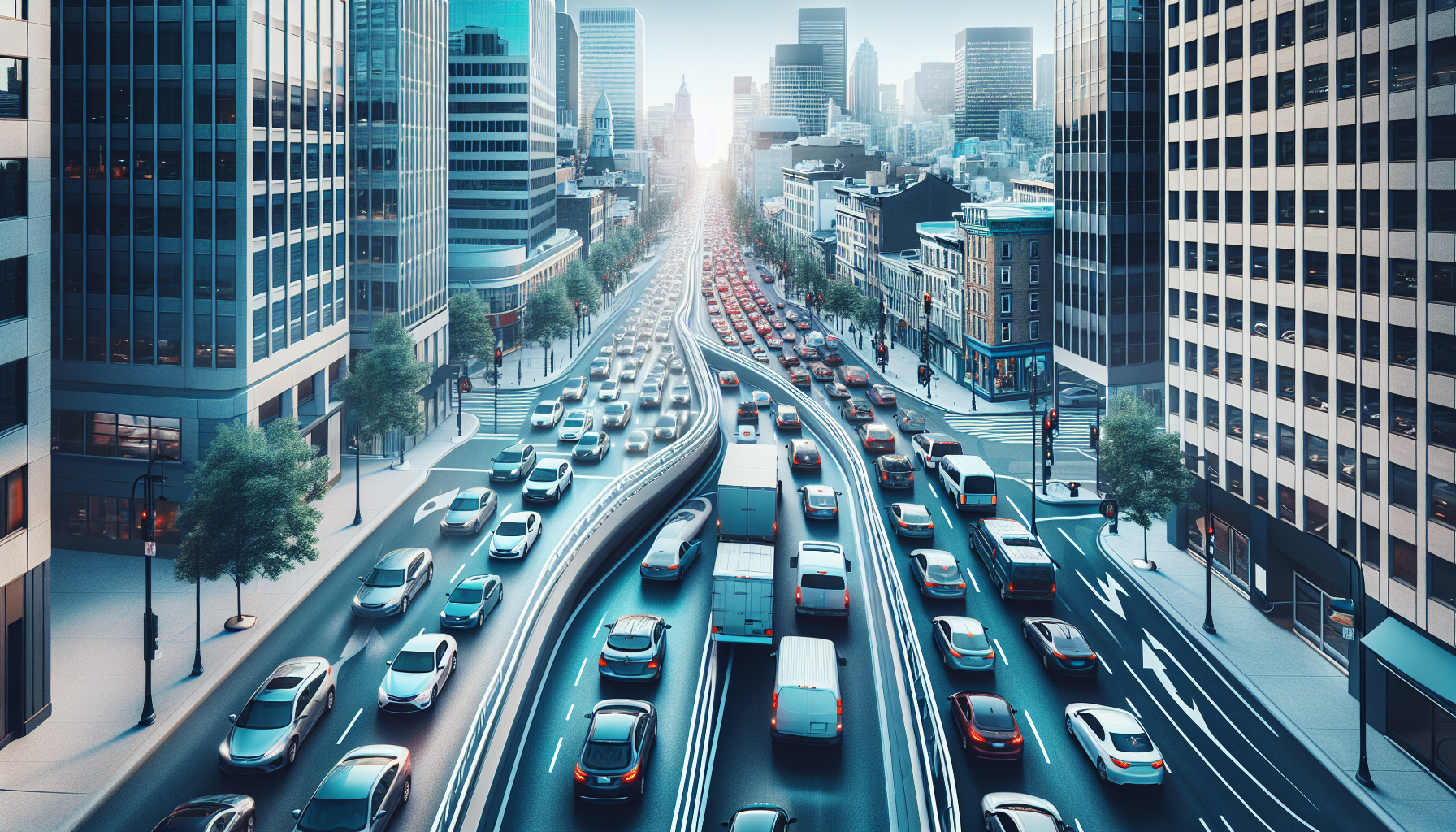
Montreal’s daily commuter landscape reveals fascinating insights into the city’s traffic dynamics. As of recent estimates, approximately 1.7 million individuals commute into downtown Montreal each weekday, a figure that highlights the city’s role as a central hub for work and education. Notably, a significant portion of these commuters rely on private vehicles, with around 70% opting for cars despite the robust public transport network. This statistic underscores a reliance on personal vehicles that contributes to the city’s congested roadways, particularly during peak hours. Analyzing peak traffic times sheds light on when Montreal’s roadways experience the most stress. Mornings between 7:30 AM and 9:30 AM see the highest volume of vehicles, often resulting in travel delays that can extend well beyond 30 minutes for those navigating into the city center. Similarly, the evening rush from 4:30 PM to 6:30 PM maintains this trend, with major arteries like the Ville-Marie Expressway and the Decarie Boulevard frequently recording gridlock. This congestion not only impacts punctuality for commuters but also raises concerns regarding air quality and overall urban mobility. The city’s traffic patterns are further influenced by ongoing construction projects and seasonal events, which introduce additional variables into the mix. For instance, summer festivals and construction on key thoroughfares can exacerbate already congested conditions, prompting city officials to explore long-term solutions such as expanded bike lanes and upgraded public transport options. As Montreal grapples with these mobility challenges, the commitment to enhancing the commuter experience remains a priority, aiming to balance the needs of both drivers and those seeking alternative modes of transportation.Innovative Solutions: How Technology is Addressing Mobility Issues
Montreal is actively leveraging technology to tackle its ongoing mobility challenges, particularly the congestion that plagues its roadways. One promising innovation is the implementation of smart traffic signals, which use real-time data to optimize flow based on current traffic conditions. For instance, the pilot project in the Plateau-Mont-Royal borough demonstrated a significant reduction in wait times during peak hours, improving the overall efficiency of city streets. Local authorities are eager to expand such initiatives throughout the city, signifying a commitment to enhancing the daily commute for both drivers and pedestrians. Another noteworthy advancement is the integration of mobile applications that promote carpooling and ridesharing. Platforms like Covoiturage and Lyft have gained traction in Montreal, helping to reduce the number of vehicles on the road. As users connect with others traveling to similar destinations, they can split costs and mitigate individual carbon footprints. This technology not only facilitates a more sustainable approach to commuting but also fosters community connections by encouraging social interaction among residents. Additionally, Montreal’s investment in electric scooters and bike-sharing programs presents an alternative to traditional vehicular transport. With tens of thousands of scooters available and an extensive network of bike lanes, residents have more choices for getting around the city. Recent statistics show that bike usage increased by over 15% since the introduction of these services, indicating a shift in commuter preferences towards greener and more flexible options. By embracing such technologies, Montreal is not only addressing immediate traffic issues but also setting the stage for a more sustainable urban future.The Role of Real-Time Traffic Apps in Daily Commuting
Real-time traffic apps have revolutionized how Montrealers navigate the city’s bustling streets. With over 1.7 million residents and a significant number of daily commuters, the need for efficient travel solutions has never been more pressing. Applications like Google Maps and Waze have harnessed the power of crowd-sourced data, offering users up-to-the-minute information about accidents, road closures, and congestion. In Montreal, where construction projects can suddenly alter traffic patterns, these apps provide crucial insights that allow drivers to avoid frustrating delays. For instance, a recent surge in construction on the Ville Marie Expressway prompted many to reroute, showcasing the immediate benefits of real-time updates. Additionally, the integration of public transit data into these applications has enhanced the overall travel experience. With the STM (Société de transport de Montréal) providing real-time bus and metro schedules, users can plan their commutes more effectively. The influx of features such as alerts for delays or disruptions empowers commuters to make informed choices, whether they opt for driving, biking, or public transit. As a result, a holistic approach to mobility is cultivated, alleviating some pressure on road traffic during peak hours. The role of these apps extends beyond simply offering directions; they foster a sense of community among users. Many Montrealers share their experiences in real-time, contributing to a collaborative effort to improve urban mobility. This collective sharing leads to heightened awareness of safe driving practices and potential hazards, enriching the city’s transportation culture. As traffic patterns evolve and mobility challenges persist, these apps will continue to be indispensable tools for navigating the complexities of daily commuting in Montreal, ultimately shaping the way residents connect with their city.Community Initiatives: Grassroots Efforts to Improve Urban Mobility
Montreal’s urban landscape is experiencing a transformative wave driven by grassroots initiatives aimed at enhancing mobility and reducing car congestion. One notable example is the “Rue de la Mobilité” project, where local residents collaborated with urban planners to redesign underutilized streets into pedestrian-friendly zones. This initiative not only promotes walking and cycling but also cultivates a sense of community ownership. Events like the “Car-Free Sundays” have been instrumental in increasing public engagement, allowing citizens to share their experiences and advocate for more sustainable transit solutions. Another grassroots movement making waves is the “Transit Equity Collective,” a diverse group of advocates fighting for improved public transport accessibility. Their recent campaign, “Buses for All,” emphasizes the need for all city areas, especially marginalized neighborhoods, to have reliable bus services. By engaging directly with city officials and gathering resident testimonials, the group has successfully pushed for route expansions and increased frequency of service. This initiative highlights how community voices can directly influence policy changes, thereby enhancing the overall efficiency of urban mobility. Furthermore, local cycling organizations like “CycloMontreal” are working tirelessly to create and maintain safe cycling routes throughout the city. Their efforts have led to the introduction of new bike lanes and a community bike-share program, which have significantly increased the number of cyclists on Montreal’s roadways. With cycling recognized as a viable alternative to car travel, initiatives like these not only alleviate traffic but also promote health and environmental awareness. The synergy between community initiatives and local governance is shaping a more accessible, eco-friendly urban environment, setting a precedent for other cities to follow.Local Projects Aiming to Enhance Public Transport Accessibility
Montreal is actively transforming its public transport landscape to enhance accessibility for all residents. One standout initiative is the ongoing development of the Réseau express métropolitain (REM), a vast automated light rail system set to improve mobility across the city. With the first lines expected to launch soon, the REM aims to connect under-served neighborhoods with key employment hubs, thereby reducing reliance on cars. Early projections suggest that this will not only shorten travel times but also decrease road congestion, ultimately benefiting both commuters and those who depend on efficient public transport. Another critical project is the expansion of the STM’s wheelchair-accessible bus fleet, which has recently added over 100 new low-floor buses. This initiative addresses long-standing requests from advocacy groups for better access to the city’s public transport. The enhanced fleet is designed to ensure that routes accommodate individuals with mobility challenges, making it easier for them to navigate the urban environment. Additionally, strategically placed bus stops with improved sidewalks and tactile paving are rolling out, which further facilitates independent travel for all types of commuters. Community engagement plays a pivotal role in these advancements, as local feedback directly informs project planning. For instance, feedback from residents in areas like Hochelaga-Maisonneuve led to the reconsideration of routes to include more stops near local amenities. This grassroots approach not only fosters a sense of ownership among locals but also ensures that the resulting infrastructure meets the community’s unique needs. As these projects progress, they exemplify Montreal’s commitment to creating an inclusive public transport system that eases the burden of car traffic while supporting sustainable urban mobility.Frequently Asked Questions
Q1: What is Blog, Montreal, News, Today, Car Traffic, Mobility?
A: Blog, Montreal, News, Today, Car Traffic, Mobility refers to montreal blog today: navigating car traffic and mobility challenges. It encompasses various aspects including key features, benefits, and best practices in this area.
Q2: How does Blog, Montreal, News, Today, Car Traffic, Mobility work?
A: Blog, Montreal, News, Today, Car Traffic, Mobility works by combining multiple elements and strategies. The process involves understanding the fundamentals, implementing best practices, and continuously optimizing for better results.
Q3: What are the benefits of Blog, Montreal, News, Today, Car Traffic, Mobility?
A: The main benefits include improved efficiency, better outcomes, cost savings, and enhanced user experience. Many professionals and businesses have seen significant improvements by focusing on Blog, Montreal, News, Today, Car Traffic, Mobility.
Q4: Is Blog, Montreal, News, Today, Car Traffic, Mobility suitable for beginners?
A: Yes, Blog, Montreal, News, Today, Car Traffic, Mobility can be approached by beginners with the right guidance and resources. Start with the basics, follow best practices, and gradually build your knowledge and skills.
Q5: Where can I learn more about Blog, Montreal, News, Today, Car Traffic, Mobility?
A: There are many resources available including online courses, guides, community forums, and expert consultations. This article provides a comprehensive overview to get you started.
Montreal Location & Service Area
Find us in Montreal! Our services related to Blog, Montreal, News, Today, Car Traffic, Mobility are available throughout the area. Whether you’re looking for local information or broader regional coverage, we provide comprehensive support across Montreal and surrounding areas.
Coverage Areas
- Montreal downtown and city center
- Montreal neighborhoods and suburbs
- Greater metropolitan area coverage
- Regional service throughout Quebec
Contact us for specific location availability and service details in your area.