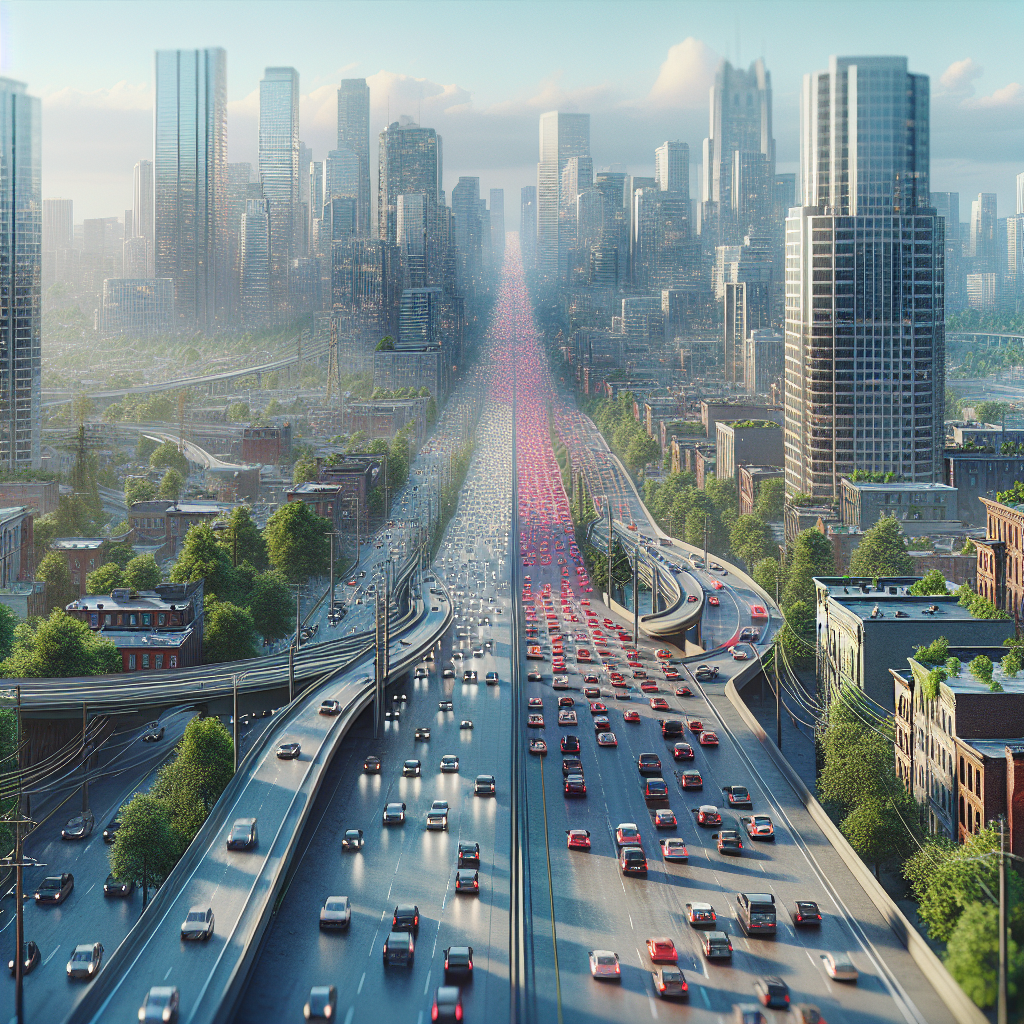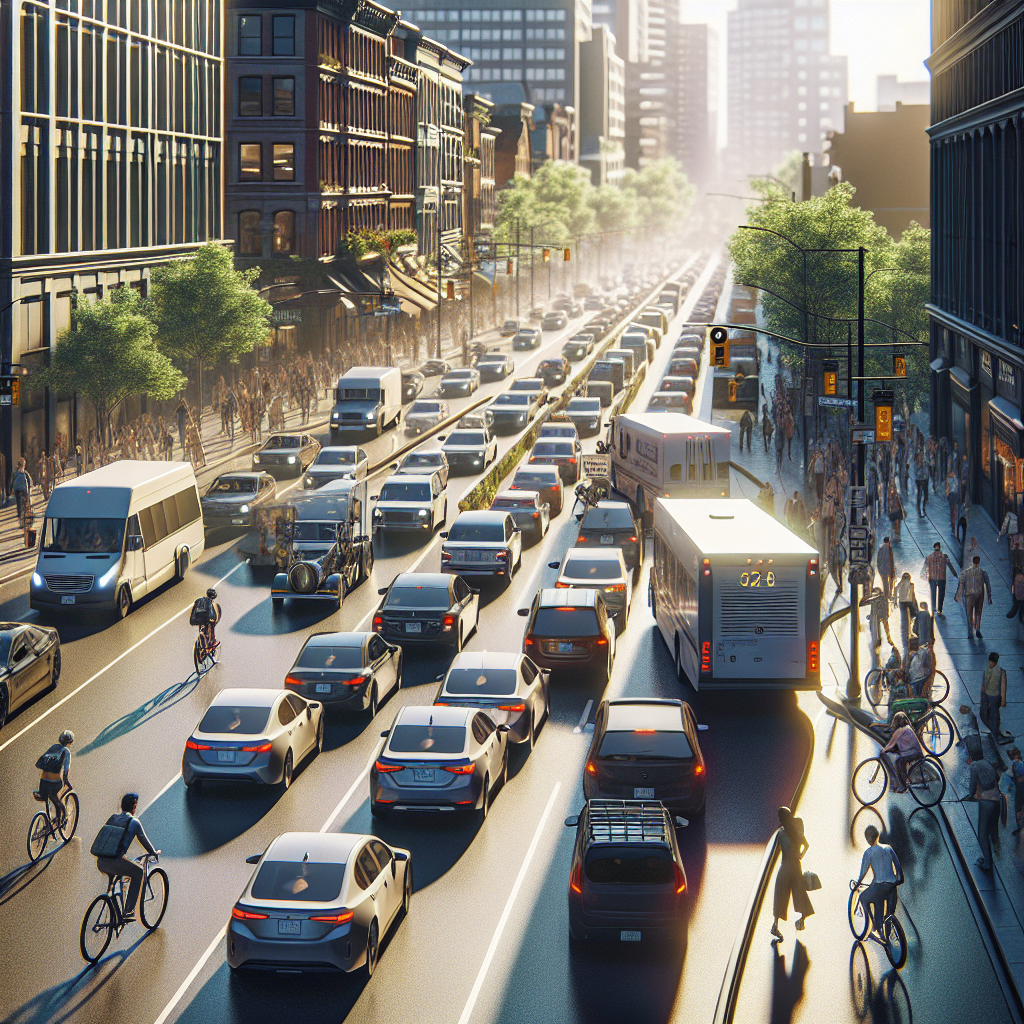

Navigating Montreals Car Traffic Today
📍 Location & Service Area
Service Area: Montreal, Quebec, Canada
We proudly serve the Montreal, Quebec, Canada area and surrounding communities.
Navigating Montreals Car Traffic Today
Montreal, known for its vibrant culture and bustling city life, also comes with its fair share of traffic challenges. Navigating Montreal’s car traffic today requires a strategic approach to ensure a smooth and efficient journey. Whether you are a local resident or a visitor exploring the city, understanding the intricacies of Montreal’s traffic patterns can make a significant difference in your daily commute. As you embark on your journey through Montreal’s streets, it is essential to be prepared for the unique traffic conditions you may encounter. From busy intersections to construction zones, staying informed and proactive is key to navigating the city’s roads with ease. In this article, we will delve into expert tips and strategies that will help you navigate Montreal’s car traffic today like a seasoned local. By implementing these tips, you can minimize delays, avoid traffic congestion, and make the most of your time on the road. Whether you are commuting to work, running errands, or exploring the city’s attractions, optimizing your travel experience in Montreal is within reach. From avoiding rush hour to leveraging real-time traffic apps and exploring alternative routes, we will equip you with the tools you need to navigate Montreal’s car traffic effectively. Stay tuned as we explore these strategies in detail and provide you with valuable insights to enhance your daily commute in this vibrant Canadian city. Let’s dive into the world of Montreal’s car traffic and discover how you can navigate it like a pro.For additional insights, check out our guide on Montreal Blog Today: Navigating Car Traffic and Mobility.
For comprehensive background information, see Wikipedia’s article on Blog.
Avoid Rush Hour: Best Times to Drive
Avoid Rush Hour: Best Times to Drive
Montreal’s traffic can be notoriously hectic, especially during rush hour. To navigate the city streets with ease, it’s crucial to plan your travels outside peak congestion times. Avoiding rush hour not only saves you time but also reduces stress and frustration on the road. The best times to drive in Montreal are typically outside of the morning and evening rush hours. Morning rush hour in Montreal typically occurs between 7:30 a.m. and 9:00 a.m., while evening rush hour peaks between 4:30 p.m. and 6:30 p.m. Planning your commute to avoid these times can significantly improve your travel experience. If your schedule allows, consider starting your commute earlier or later than the typical rush hour times. By adjusting your departure time, you can avoid the bulk of traffic congestion and enjoy a smoother drive. Additionally, planning your trips during off-peak hours can also help you find parking more easily, as parking spaces tend to be in higher demand during rush hour periods. To further optimize your travel times, consider utilizing real-time traffic data to monitor congestion levels and choose the best times to hit the road. Traffic apps and websites can provide up-to-date information on traffic conditions, accidents, and road closures, helping you plan your route accordingly. By being mindful of peak traffic hours and adjusting your schedule to avoid rush hour, you can streamline your commute and make navigating Montreal’s bustling streets a more pleasant experience. Stay tuned for the next section on utilizing real-time traffic apps for even greater efficiency in your travels.For additional insights, check out our guide on Montreal Blog Today: Navigating Car Traffic and Mobility.
For comprehensive background information, see Wikipedia’s article on Blog.
Utilize Real-Time Traffic Apps for Efficiency

Utilize Real-Time Traffic Apps for Efficiency
Real-time traffic apps have revolutionized the way commuters navigate through Montreal’s bustling streets. These apps provide up-to-the-minute information on traffic conditions, accidents, road closures, and alternative routes, allowing drivers to make informed decisions and avoid unnecessary delays. One of the key benefits of using real-time traffic apps is their ability to provide accurate and real-time updates on traffic congestion. By monitoring these apps before and during your commute, you can plan your route accordingly to avoid congested areas and minimize travel time. These apps also offer features such as live traffic cameras, which give you a visual representation of current road conditions. Furthermore, real-time traffic apps often incorporate predictive algorithms that can anticipate traffic patterns based on historical data and current events. This predictive feature can help you proactively adjust your route to avoid potential traffic jams before they occur. Another advantage of utilizing these apps is their integration with GPS technology, which allows for turn-by-turn navigation and voice-guided directions. This can be particularly helpful when navigating unfamiliar areas or when seeking alternative routes to avoid congestion. Moreover, many real-time traffic apps offer customizable alerts that notify you of accidents, construction zones, or other road incidents along your route. These alerts can help you make quick decisions to reroute and avoid delays. By taking advantage of real-time traffic apps, you can streamline your commute, reduce stress, and arrive at your destination more efficiently. In the next section, we will explore how optimizing your route with alternative streets can further enhance your travel experience in Montreal.For additional insights, check out our guide on Montreal Blog Today: Navigating Car Traffic and Mobility.
For comprehensive background information, see Wikipedia’s article on Blog.
💡 Utilize Real-Time Traffic Apps for Efficiency Utilize Real-Time Traffic Apps for Efficiency Real-time traffic apps have revolutionized the way commuters navigate through Montreal’s bustling streets.…
Optimize Your Route with Alternative Streets

Optimize Your Route with Alternative Streets
When navigating Montreal’s busy streets, optimizing your route with alternative streets can make a significant difference in your commute time and overall driving experience. By exploring different road options, you can avoid common traffic bottlenecks and reach your destination more efficiently. One effective strategy is to familiarize yourself with alternative routes that run parallel to major thoroughfares. These secondary streets may not only offer a smoother flow of traffic but also provide a more scenic drive, allowing you to enjoy the city from a different perspective. Additionally, some alternative streets may have fewer traffic lights or intersections, enabling you to maintain a more consistent speed and reduce the likelihood of delays. It’s also beneficial to leverage GPS navigation systems or map apps that allow you to compare multiple route options in real-time. These tools can help you identify the best alternative streets based on current traffic conditions, road closures, and accidents. By staying informed and adaptable, you can make on-the-fly decisions to reroute and avoid congested areas. Furthermore, consider exploring neighborhood shortcuts or back roads that locals often use to bypass heavy traffic areas. While these routes may not always be the most direct path, they can save you valuable time during peak traffic hours. Keep in mind that some alternative streets may have specific restrictions or limited access, so it’s essential to familiarize yourself with local traffic regulations to avoid any surprises. By proactively seeking out alternative streets and diversifying your route options, you can optimize your daily commute and minimize the frustrations often associated with Montreal’s car traffic. Stay flexible, explore new paths, and discover the hidden gems of the city while avoiding the typical gridlock.For additional insights, check out our guide on Montreal Blog Today: Navigating Car Traffic and Mobility.
For comprehensive background information, see Wikipedia’s article on Blog.
Stay Informed with Traffic Updates

Stay Informed with Traffic Updates
Stay informed with traffic updates to ensure a smooth journey through Montreal’s bustling streets. Staying ahead of traffic conditions can save you time and frustration during your commute. Here are some effective ways to stay informed: 1. **Radio Traffic Reports:** Tune in to local radio stations for regular traffic updates. Stations like 88.5 FM and 730 AM provide real-time traffic information to help you plan your route accordingly. 2. **Mobile Alerts:** Sign up for mobile alerts from traffic monitoring services or local authorities. These alerts can notify you of accidents, road closures, or congestion on your planned route. 3. **Social Media Updates:** Follow official social media accounts of Montreal’s transportation departments for instant updates on traffic conditions. Platforms like Twitter and Facebook often provide real-time information on traffic incidents. 4. **Traffic Websites:** Check online traffic websites for live traffic cameras, incident reports, and congestion alerts. Websites like Quebec 511 offer detailed information on road conditions and traffic flow. 5. **GPS Navigation Systems:** Use GPS navigation systems that offer real-time traffic data. Apps like Google Maps, Waze, or Apple Maps can provide alternate routes based on current traffic conditions. By staying informed with traffic updates, you can proactively adjust your route and avoid potential delays. These tools and resources can help you navigate Montreal’s busy streets with ease, ensuring a smoother and more efficient commute. Continue to the next section to learn how carpooling can further enhance your travel experience in Montreal.For additional insights, check out our guide on Montreal Blog Today: Navigating Car Traffic and Mobility.
For comprehensive background information, see Wikipedia’s article on Blog.
Enhance Your Commute with Carpooling Benefits

Enhance Your Commute with Carpooling Benefits
Carpooling is a fantastic way to enhance your commute in Montreal while also benefiting the environment and your wallet. By sharing rides with others, you can reduce traffic congestion, lower your carbon footprint, and enjoy a more social and cost-effective journey. One of the key benefits of carpooling is the reduction of individual vehicles on the road, which helps alleviate traffic congestion during peak hours. By sharing a ride with others, you not only contribute to a smoother traffic flow but also save time that would otherwise be spent stuck in traffic jams. Moreover, carpooling is a sustainable transportation option that helps reduce air pollution and greenhouse gas emissions. By sharing a ride, you can lower your carbon footprint and contribute to a cleaner and healthier environment for everyone in Montreal. In addition to the environmental benefits, carpooling can also save you money on fuel, parking fees, and vehicle maintenance costs. By splitting these expenses with your carpool partners, you can significantly reduce your transportation expenses and free up funds for other purposes. Furthermore, carpooling provides a social aspect to your commute, allowing you to connect with colleagues, friends, or neighbors during your journey. It can turn a mundane drive into a pleasant and interactive experience, fostering relationships and building a sense of community among commuters. In Montreal, there are various carpooling platforms and services available to help you find compatible ride-share partners and organize your shared trips efficiently. Consider exploring these options to maximize the benefits of carpooling and enhance your daily commute in the city.For additional insights, check out our guide on Montreal Blog Today: Navigating Car Traffic and Mobility.
For comprehensive background information, see Wikipedia’s article on Blog.
💡 Enhance Your Commute with Carpooling Benefits Enhance Your Commute with Carpooling Benefits Carpooling is a fantastic way to enhance your commute in Montreal while also…
Master Parking Strategies in Montreal

Master Parking Strategies in Montreal
Montreal’s vibrant atmosphere and bustling streets are complemented by its unique parking challenges. Mastering parking strategies in Montreal is essential for a seamless travel experience. Whether you’re a local or a visitor, understanding the parking options can save you time and frustration. In Montreal, street parking is a common choice, but it can be limited and competitive, especially in popular areas. Be prepared to circle around a few times before finding a spot. Keep an eye out for signs indicating parking restrictions, as regulations can vary from one street to another. Another option is parking in public lots or garages. Montreal has numerous parking garages scattered throughout the city, offering both hourly and daily rates. While this option provides convenience, be mindful of the costs, as parking fees can add up quickly. For those looking for a more budget-friendly approach, consider parking further away from your destination and walking or using public transportation to reach your final stop. This not only saves money but also reduces the stress of searching for parking in crowded areas. Additionally, it’s wise to familiarize yourself with mobile parking payment apps that allow you to pay for parking conveniently from your phone. This eliminates the need to carry change and can save you time when parking in metered zones. By mastering parking strategies in Montreal, you can navigate the city with ease and enjoy your time exploring all that this vibrant metropolis has to offer. Next, we will delve into planning your trip with traffic forecasts to further enhance your travel experience.For additional insights, check out our guide on Montreal Blog Today: Navigating Car Traffic and Mobility.
For comprehensive background information, see Wikipedia’s article on Blog.
Plan Your Trip with Traffic Forecasts

Plan Your Trip with Traffic Forecasts
When it comes to navigating Montreal’s bustling streets, planning your trip in advance with traffic forecasts can significantly enhance your commuting experience. By staying informed about the expected traffic conditions, you can make informed decisions to avoid congestion and delays. Traffic forecasts provide valuable insights into the expected traffic volume, potential road closures, and any ongoing construction projects that might impact your route. By taking advantage of this information, you can plan alternate routes or adjust your travel times to minimize the time spent in traffic. One of the most effective ways to access traffic forecasts is through reliable traffic websites and mobile applications. These platforms offer real-time updates on traffic conditions, accidents, and roadblocks, allowing you to proactively plan your journey. Additionally, some apps provide personalized route suggestions based on current traffic data, optimizing your travel time. By incorporating traffic forecasts into your trip planning process, you can better prepare for any potential challenges on the road. Whether you are commuting to work, running errands, or exploring the city, having access to accurate traffic information can make your journey more efficient and stress-free. In the next section, we will delve into essential strategies for navigating Montreal traffic, offering valuable tips to help you navigate the city’s streets with ease. Stay tuned for expert advice on making the most of your time behind the wheel in Montreal.For additional insights, check out our guide on Montreal Blog Today: Navigating Car Traffic and Mobility.
For comprehensive background information, see Wikipedia’s article on Blog.
Essential Strategies for Navigating Montreal Traffic
Essential Strategies for Navigating Montreal Traffic
Navigating Montreal’s traffic requires a strategic approach to ensure a smooth and efficient journey through the bustling city streets. By incorporating the essential strategies outlined in this guide, you can optimize your commute and minimize the impact of traffic delays. Here are some key takeaways to help you navigate Montreal’s traffic with ease: Firstly, plan ahead and familiarize yourself with the best times to drive and avoid rush hour congestion. Utilize real-time traffic apps to stay informed of current traffic conditions and optimize your route by exploring alternative streets to bypass heavy traffic areas. Furthermore, consider carpooling as a practical way to reduce the number of vehicles on the road, benefiting both the environment and your commute experience. Mastering parking strategies in Montreal is also crucial, so you can efficiently find parking spaces and avoid unnecessary delays. Additionally, stay informed with traffic updates to adapt to any unexpected changes in road conditions promptly. Lastly, plan your trips with traffic forecasts to anticipate potential congestion and choose the most efficient routes. By implementing these essential strategies, you can navigate Montreal’s traffic more effectively, saving time and reducing stress during your daily commute. Remember, being proactive and strategic in your approach to traffic management can significantly enhance your overall travel experience in Montreal. Take action today by incorporating these strategies into your daily commute routine and experience a smoother and more efficient journey through Montreal’s vibrant streets. Stay informed, plan ahead, and make the most of your travel time in this dynamic city.For additional insights, check out our guide on Montreal Blog Today: Navigating Car Traffic and Mobility.
For comprehensive background information, see Wikipedia’s article on Blog.
💡 Essential Strategies for Navigating Montreal Traffic Essential Strategies for Navigating Montreal Traffic Navigating Montreal’s traffic requires a strategic approach to ensure a smooth and efficient…